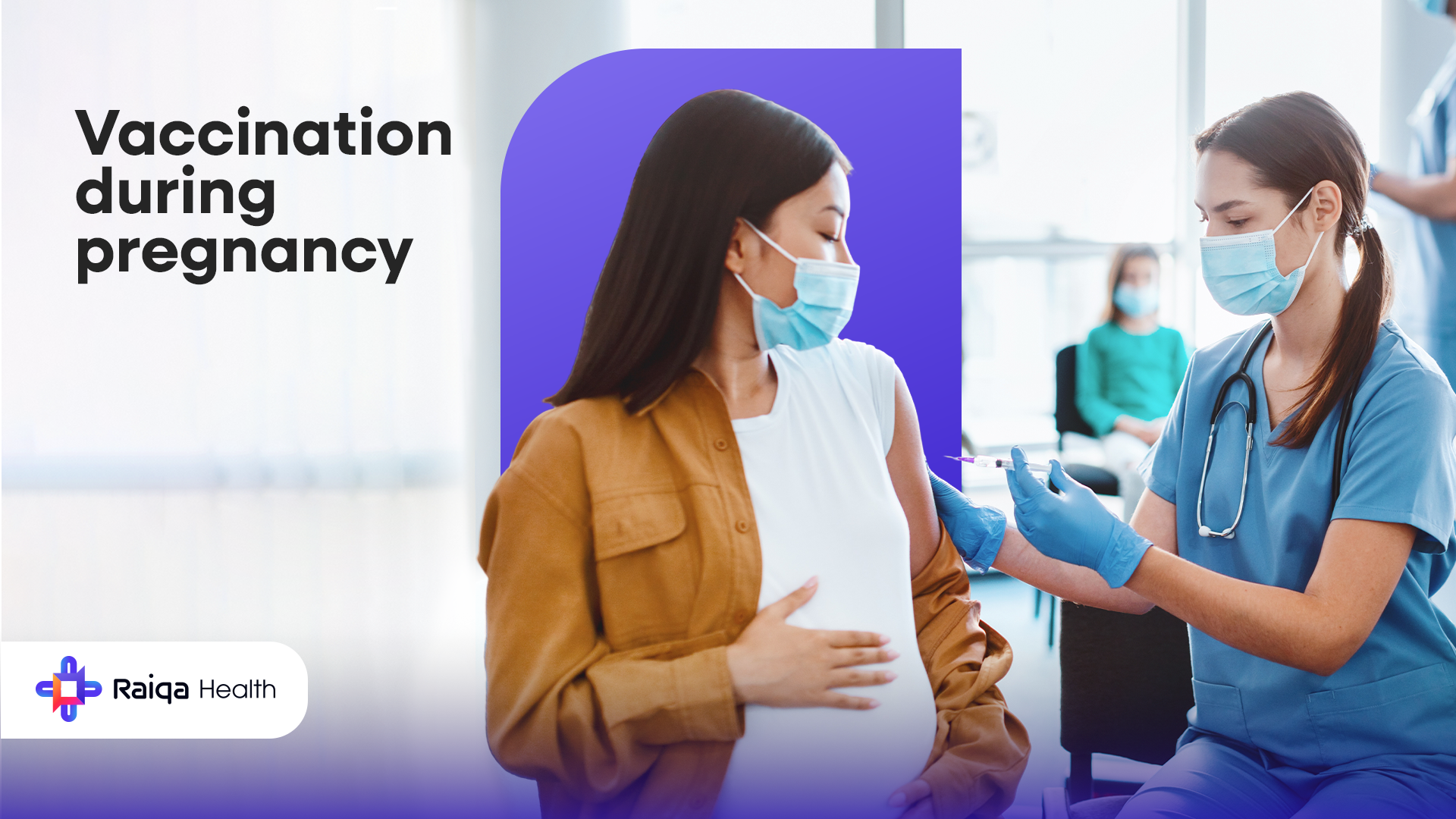
Importance of Vaccination During Pregnancy
• Giving recommended vaccines before, during, and after pregnancy protects both the mother and the baby.
• Vaccination can protect you and your unborn baby from harmful diseases. It's important you are up to date with your vaccinations before you become pregnant
• Vaccines pass antibodies to your baby through the placenta, providing them with protection from diseases like whooping cough, flu, and COVID-19 in their early months
• After getting vaccinated, it takes about two weeks for the mother's body to make protective antibodies that can be passed to the baby
• Vaccination during pregnancy provides passive immunity to newborns who cannot receive many vaccines until 6-8 weeks of age
• Pregnant women are at higher risk of severe complications from certain infectious diseases
• Vaccination reduces risk of preterm birth, low birth weight, and other pregnancy complications
Recommended Vaccines During Pregnancy in Australia
Pertussis (Whooping Cough) - dTpa Vaccine
• Pertussis (whooping cough) vaccination is recommended during pregnancy, between 20-32 weeks of gestation. Vaccination is recommended in each pregnancy, including those closely spaced, to provide maximal protection to every infant
• dTpa (diphtheria, tetanus, and whooping cough) - one dose between 20 weeks and 32 weeks of gestation for each pregnancy
• Vaccination at this stage of pregnancy means you will pass on whooping cough antibodies to your growing baby. This gives the baby protection after birth, even before they are old enough to have the vaccine themselves
• Optimal timing: 28-32 weeks of gestation for maximum antibody transfer
• Must be given in every pregnancy regardless of previous vaccination
• Protects the baby for the first 2-3 months of life when most vulnerable
Influenza Vaccine:
• Influenza vaccination is recommended during each pregnancy, at any stage of pregnancy
• Pregnant women and babies are at increased risk for complications from flu, including pneumonia, hospitalization, and even death. Babies cannot be vaccinated against flu until they are age 6 months or older
• Should be given annually during flu season (April-October in Australia)
• Safe to give at any trimester of pregnancy
• Inactivated influenza vaccine only (not live vaccine)
• Reduces risk of hospitalization in pregnant women by up to 40%
RSV (Respiratory Syncytial Virus) Vaccine:
• The maternal RSV vaccine is recommended for women at 28 to 36 weeks of pregnancy to protect their baby against serious illness from RSV. Vaccination during pregnancy protects your baby from birth against RSV and serious complications
• Vaccination during pregnancy reduces the risk of severe RSV disease in infants under 6 months of age by around 70%
• New addition to the Australian immunization schedule (2024)
• Single dose given between 28-36 weeks of gestation
• Protects infants during the first 6 months when RSV is most dangerous
COVID-19 Vaccines:
• Recommended during pregnancy as part of the routine vaccination schedule
• mRNA vaccines (Pfizer, Moderna) preferred during pregnancy
• Can be given at any stage of pregnancy
• Booster doses recommended as per general population guidelines
• Protects against severe COVID-19 complications in pregnancy
Vaccines Safe Before Pregnancy (Preconception)
Live Vaccines (Must be given before pregnancy):
• MMR (Measles, Mumps, Rubella): Essential if not immune, wait 28 days before conceiving
• Varicella (Chickenpox): For women without immunity, wait 28 days before conceiving
• Zoster (Shingles): For women over 50, contraindicated during pregnancy
Inactivated Vaccines:
• Hepatitis A and B: Safe during pregnancy but preferably given beforehand
• Meningococcal: For women at risk, can be given during pregnancy if needed
• Pneumococcal: For women with chronic conditions
• HPV: Complete series before pregnancy; not given during pregnancy
Effects of Vaccine-Preventable Diseases During Pregnancy
Pertussis (Whooping Cough):
Maternal effects:
Severe coughing fits, difficulty breathing, rib fractures from coughing
Fetal effects: Preterm birth, low birth weight if mother severely ill
Infant effects:
- Most dangerous in babies under 6 months
- 90% of deaths occur in infants under 6 months
- Causes severe breathing difficulties, apnoea episodes
- Can lead to pneumonia, brain damage, death
- Hospitalisation required in 70% of cases under 6 months
Influenza:
Maternal effects:
- Higher risk of pneumonia and hospitalization
- Increased risk of preterm labour
- Greater likelihood of ICU admission
- Cardiac complications in severe cases
Fetal effects:
- Increased risk of miscarriage in first trimester
- Preterm birth and low birth weight
- Potential neural tube defects with high fever
Infant effects:
- Cannot be vaccinated until 6 months
- Higher hospitalisation rates
- Increased risk of severe respiratory illness
RSV (Respiratory Syncytial Virus):
Maternal effects: Usually mild cold-like symptoms in healthy adults
Infant effects:
- Leading cause of hospitalisation in infants under 12 months
- Causes bronchiolitis and pneumonia
- Can lead to respiratory failure requiring ventilation
- Long-term respiratory problems including asthma
- Most severe in premature babies and those under 6 months
Measles:
Maternal effects:
- Higher risk of pneumonia during pregnancy
- Increased risk of hospitalisation
- Potential for severe complications
Fetal effects:
- Increased risk of miscarriage
- Preterm birth
- Low birth weight
- Congenital measles if infected near delivery
Rubella
Maternal effects: Usually mild illness with rash
Fetal effects (Congenital Rubella Syndrome):
- Heart defects (most common)
- Hearing loss (deafness)
- Eye abnormalities (cataracts, glaucoma)
- Intellectual disability
- Growth retardation
- Risk highest if infected in first 20 weeks of pregnancy
Varicella (Chickenpox):
Maternal effects:
- Higher risk of pneumonia (10-20% of cases)
- More severe illness than in non-pregnant adults
Fetal effects:
- Congenital varicella syndrome (rare, <2%)
- Limb abnormalities, scarring, eye problems
- Growth restriction
Neonatal effects: Severe chickenpox if mother infected near delivery
Hepatitis B:
Maternal effects: Can cause severe liver disease
Vertical transmission:
- 90% transmission risk if mother has acute infection
- Can lead to chronic hepatitis B in infant
- Infant at risk of liver cirrhosis and liver cancer later in life
Safety of Vaccines During Pregnancy
General Safety Principles:
• Inactivated vaccines are safe during pregnancy
• Live vaccines are contraindicated during pregnancy
• Benefits of vaccination outweigh potential risks
• No evidence of increased birth defects from recommended vaccines
• Extensive safety monitoring shows vaccines are well-tolerated
Common Side Effects:
• Local reactions: Pain, redness, swelling at injection site
• Systemic reactions: Low-grade fever, mild body aches
• Duration: Usually resolve within 1-2 days • Paracetamol safe for managing discomfort during pregnancy
Serious Adverse Events:
• Severe allergic reactions are extremely rare (1 in million doses)
• No increased risk of miscarriage, stillbirth, or birth defects
• Extensive post-marketing surveillance confirms safety
• Benefits far outweigh minimal risks
Timing and Schedule
First Trimester (0-12 weeks)
• Influenza vaccine can be given
• COVID-19 vaccines can be given
• Avoid live vaccines
• Ideally complete preconception vaccinations before this period
Second Trimester (13-27 weeks)
• Optimal time for pertussis vaccination (20-32 weeks)
• Influenza vaccine if not given earlier
• COVID-19 vaccines and boosters
• Generally safest period for vaccination
Third Trimester (28-40 weeks):
• RSV vaccine (28-36 weeks)
• Continue pertussis vaccination window until 32 weeks
• Influenza vaccine if not yet received
• COVID-19 vaccines as needed
Benefits of Maternal Vaccination
Protection for Mother:
• Vaccines also protect you, the mother, from serious illnesses during pregnancy
• Reduces risk of severe disease requiring hospitalisation
• Prevents pregnancy complications from vaccine-preventable diseases
• Maintains maternal health for optimalfetal development
Protection for Baby:
• Passive immunity through maternal antibodies
• Protection during most vulnerable period (0-6 months)
• Reduces hospitalisation rates in infants
• Prevents serious complications and deaths
• Provides protection until baby can receive own vaccines
Community Protection:
• Reduces disease transmission in healthcare settings
• Protects other vulnerable populations
• Contributes to herd immunity
• Reduces burden on healthcare system
Contraindications and Special Considerations
Absolute Contraindications:
• Severe allergic reaction to previous dose or vaccine component
• Live vaccines during pregnancy
• Severe acute illness with fever
Special Populations
• Immunocompromised women: Need specialist consultation
• Multiple pregnancies: Same vaccination schedule applies
• Previous adverse reactions: Individual risk assessment required
• Premature birth history: Vaccination especially important
Drug Interactions:
• Immunoglobulin products may interfere with live vaccines
• Most pregnancy medications compatible with vaccines
• Discuss with healthcare provider if on immunosuppressive medications
Access and Cost in Australia
National Immunisation Program:
• This schedule card provides recommended vaccines and schedule points under the National Immunisation Program from 1 July 2024
• Pertussis, influenza, and COVID-19 vaccines provided free
• RSV vaccine included in funded schedule from 2024
• Available through GPs, community health centres, and hospitals
Where to Get Vaccinated:
• Getting vaccinated is easy. You can get most vaccines from your GP or health provider
• General practitioners and family doctors
• Antenatal clinics and hospitals
• Community health centres
• Some pharmacies (for influenza vaccine)
Documentation:
• Vaccines recorded in Australian Immunisation Register
• Important for baby's health records
• Required for childcare enrolment
• Proof of maternal vaccination status
Common Myths and Misconceptions
Myth: Vaccines cause autism
Fact:
Extensive research shows no link between vaccines and autism
• Multiple large-scale studies confirm safety
• Benefits of vaccination far outweigh theoretical risks
Myth: Natural immunity is better
Fact:
Vaccine-preventable diseases can cause serious complications
• Natural infection during pregnancy poses significant risks
• Vaccination provides safer immunity without disease risks
Myth: Too many vaccines overwhelm immune system
Fact:
Pregnancy naturally suppresses immune system
• Vaccines contain fewer antigens than daily environmental exposure
• Immune system easily handles vaccine antigens
Myth: Vaccines contain dangerous chemicals
Fact: Vaccine ingredients are present in tiny, safe amounts
• Same preservatives found in everyday foods and products
• Rigorous safety testing before approval
Future Considerations
Emerging Vaccines:
• Group B Streptococcus vaccine in development
• Cytomegalovirus vaccine under research
• Improved RSV vaccines being studied
Ongoing Research:
• Optimal timing for maximum antibody transfer
• Duration of maternal antibody protection
• Combination vaccines for pregnancy
• Long-term infant outcomes
Key Takeaways
• Vaccination during pregnancy is safe and essential for protecting both mother and baby
• Recommended vaccines include pertussis (20-32 weeks), influenza (any time), RSV (28-36 weeks), and COVID-19
• Maternal antibodies provide crucial protection to infants during their most vulnerable months
• Vaccine-preventable diseases can cause serious complications during pregnancy and in newborns
• All recommended vaccines are available free through Australia's National Immunisation Program
• Benefits of vaccination far outweigh minimal risks
• Discuss vaccination plans with healthcare provider early in pregnancy
• Complete preconception vaccinations when planning pregnancy